Join Our Waitlist


.svg)

Building a sports community is one of the most rewarding things you can do as a team owner, fan leader, or club organiser. But many people don't know where to start and without a clear plan, even the most passionate groups struggle to grow. This guide covers everything you need to know about how to build a sports community, from laying the foundation to keeping members engaged for years. Whether you're starting a local hockey supporters' group in Winnipeg or launching a national fan network, these proven steps will get you there. Let's dive in.
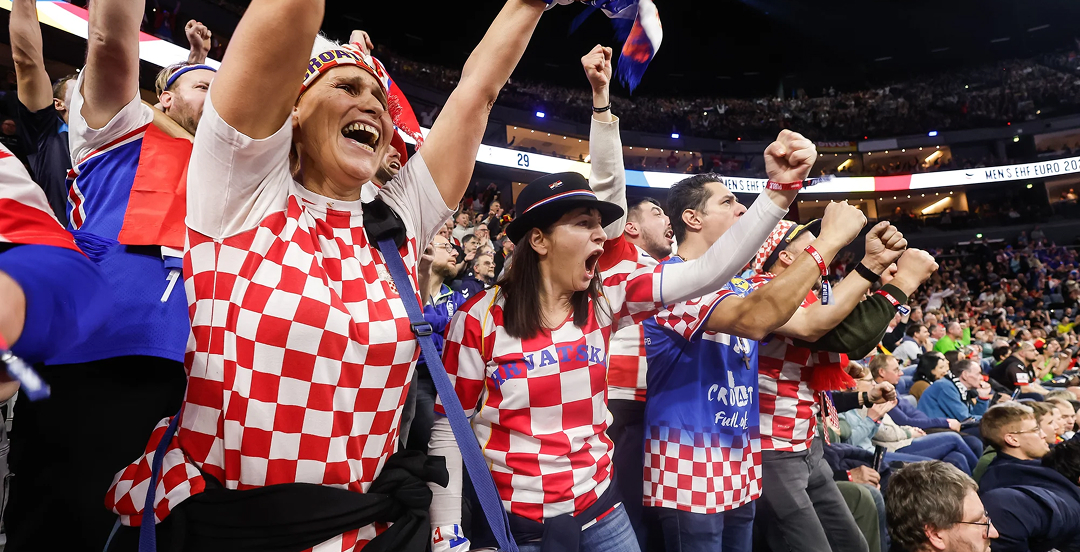
Sports aren't just entertainment, they're identity. When fans gather around a shared team, something powerful happens. They feel seen, connected, and part of something bigger than themselves. That sense of belonging drives extraordinary loyalty.
According to Nielsen Sports, 78% of sports fans want to connect with other supporters. They don't just want to watch a game, they want to celebrate, argue, commiserate, and relive the moments together. Isolation kills fandom. Community amplifies it.
For team owners and club managers, an engaged community isn't just feel-good, it's strategic. Communities drive ticket sales, merchandise revenue, and long-term retention. Fans who feel connected to a community are significantly more likely to renew season passes, recommend the team to others, and engage with sponsors. For a deeper dive into community strategy and the [sports community building fundamentals]([Link to B1]) behind successful fan groups, that foundation is worth reviewing before you build.

Before you build anything, you need to know who you're building for. Start with the basics: age range, geographic location, primary language, and how they currently follow the team. Are your supporters mostly local, or spread across the country?
Fans gather around different motivations. Some are lifelong supporters who grew up with the team. Others discovered the sport recently. Some want tactical discussion; others want banter and celebration. Understanding these motivations helps you design spaces that actually serve your community.
Every strong community has a distinct identity: a tone, a set of values, a way of doing things. Think about what makes your fan group different from just following the team's official social media accounts. What's the culture you want to create? Document it. Share it with your founding members. Know your fans before you build for them.
When you learn how to build a sports community, the first step is defining your purpose. What is this community for? Is it a place for post-game analysis? A hub for organising local watch parties? A national network for fans living away from their home city? Your mission statement doesn't need to be long. It needs to be clear.
Vague goals lead to vague results. Set SMART targets: specific, measurable, achievable, relevant, and time-bound. A local hockey club in Edmonton might aim for 500 active members in Year 1, a 40% weekly engagement rate, and three live events per season. Those numbers give you something to work toward and measure against.
A community charter is a short document that outlines your values, rules of engagement, and what members can expect. It protects your culture and sets expectations from day one. Cover things like respectful communication, content guidelines, and how disputes are handled.
Practical tip: Write it down. Share it with your founding team. Revisit it every six months as your community grows.
Choosing the right platform is one of the most important decisions you'll make. Here's a quick breakdown:
General platforms weren't designed with sports fans in mind. Dedicated apps offer focused experiences, game day modes, team-specific profiles, real-time reactions, and community structures that make sense for how fans actually behave.
From group chats and content sharing to fan profiles, team branding, and a rewards system that keeps members coming back. It's designed specifically for sports fans, which means less setup friction and faster community growth.
Practical tip: Choose a platform that matches your community's long-term needs, not just what's easiest to set up today.
A great community needs great leaders. Your founding moderation team sets the tone for everyone who joins after them. Look for people who are genuinely passionate about the team, reliable, and capable of de-escalating tension when discussions get heated.
Clear roles prevent confusion and burnout. Typical community leadership structures include admins (platform access and big-picture decisions), moderators (daily content oversight and member support), and community managers (events, content creation, and member onboarding).
Don't assume your team knows what to do onboard them properly. Share the community charter, explain the moderation guidelines, and run through hypothetical scenarios. Regular check-ins and a private leadership channel help your team stay aligned.
Practical tip: Invest in your team. They are the backbone of your community.
Creating engaging content is essential when you build a sports community. Without consistent, compelling content, even the most well-designed platform goes quiet. Build a content calendar around the season. Game day threads, player spotlights, throwback posts, prediction challenges, and fan story features all give members reasons to show up regularly.
Real-time events, virtual watch parties, Q&A sessions, and post-game reactions are some of the highest-engagement moments a community can create. For local groups, in-person events build the kind of camaraderie that no amount of online discussion can replicate. For strategies specific to growing a physical presence
The most engaged communities are ones where members contribute, not just consume. Run photo contests, trivia challenges, and prediction leagues. Feature fan content prominently. When supporters see their content celebrated, they invest more deeply in the community.
Practical tip: Consistency beats perfection. Post regularly, even if it's simple.
Gamification works. Points, badges, and leaderboards give active members tangible recognition for their contributions. Simple gestures, a "Fan of the Week" shoutout, a pinned post celebrating a member's milestone go a long way toward making people feel valued.
Loyalty grows when members feel they're getting something they can't get anywhere else. Exclusive channels for founding members, early access to event tickets, special roles within the community, and behind-the-scenes content all signal that being part of this community has real value. Octagon's rewards and recognition features are built to support exactly this kind of tiered engagement.
The strongest communities have traditions. A pre-game prediction thread that runs every matchday. An annual award for the top contributor. A specific hashtag or rallying phrase that belongs to your group. These rituals create shared identity and give long-term members a sense of heritage.
Practical tip: Small gestures create big loyalty. Recognise your members consistently and publicly.

Unmoderated communities become toxic fast. Without clear guidelines and consistent enforcement, one bad actor can damage the culture you've spent months building. Set expectations early, moderate actively, and don't hesitate to remove members who repeatedly undermine the community.
Communities die quietly when leaders go silent. Inconsistent posting signals to members that the community isn't a priority and they'll disengage accordingly. Build a content calendar, assign responsibilities, and treat your community like the ongoing commitment it is.
Over-automation and overly commercial content alienate members quickly. Communities need genuine human interaction, real conversations, honest reactions, personal stories. Balance promotional content with authentic engagement. Listen to feedback. Show your members that there are real people behind the platform who care about the experience.
Practical tip: Read your community regularly. The feedback is always there if you're paying attention.
You now have everything you need to build a sports community that lasts a clear purpose, the right platform, a strong leadership team, compelling content, and the engagement strategies that keep members coming back. The framework is here. The rest is execution.
Building a sports community is achievable with the right strategy and the right tools. Your fans are waiting to connect. They're looking for a space that feels like home where their passion is shared, their contributions are valued, and the team they love is always the centre of the conversation.
The best time to start was yesterday. The second best time is now.
[Join Our Waitlist and Get Early Access]([Link to Waitlist CTA]) be among the first to launch your community on Octagon and experience a platform built from the ground up for sports fans and community builders.
[See How Octagon Helps You Build Communities]([Link to Features]) explore the tools that make community building straightforward, sustainable, and genuinely fun.
Your sports community is waiting. Let's build it together.


.webp)







.webp)