Join Our Waitlist


.svg)
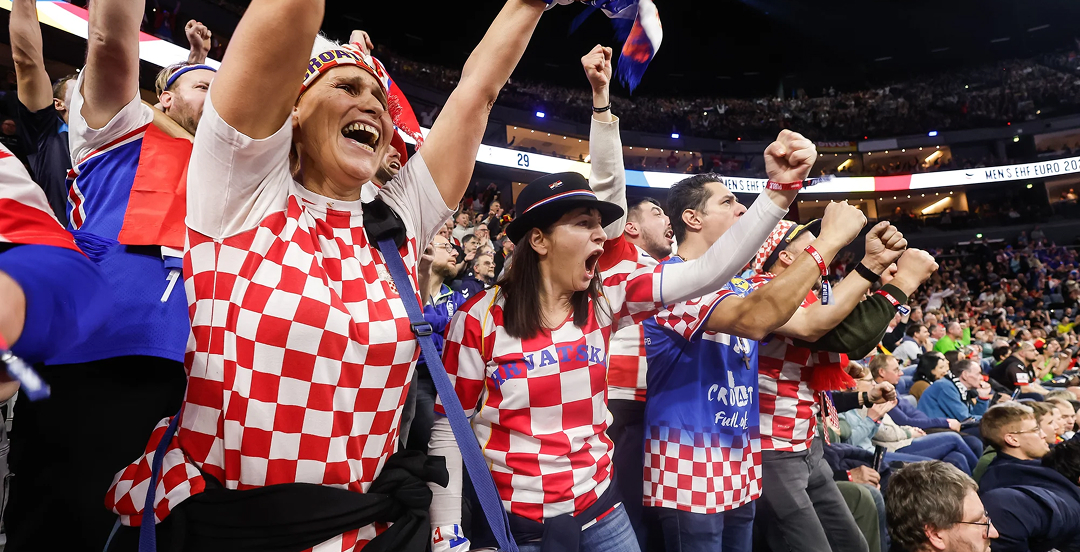
Picture this: it's game night, and you're watching your team battle it out in overtime. Do you want the electric energy of a crowded pub full of local supporters or the instant, always-on conversation of a global online community? For most fans today, the answer isn't so simple. The debate around online fan groups vs local supporter clubs is one of the most relevant conversations in modern sports culture.
Both options have genuine strengths. And both have real limitations. Understanding which type of community fits your lifestyle or how to take advantage of both can transform how you experience fandom entirely. For a broader look at how sports communities have evolved.
Sports fandom has always been about belonging. The question is where that belonging lives. For some fans, it's rooted in geography: a local pub, a supporters' section at the stadium, a community hall. For others, it exists entirely online through Reddit threads, Discord servers, or dedicated fan apps.
Neither approach is wrong. They simply offer different things.
Local clubs offer immediacy and physical presence. Online groups offer scale and convenience. A 2023 Ipsos survey found that 61% of Canadian sports fans engage with their team's community primarily through digital channels yet 54% of those same fans said they valued in-person fan experiences just as much. The appetite for both is real and growing.
A digital fan community gives you access to supporters anywhere in the world, at any time of day. The barriers to entry are low. The variety of perspectives is high. But the experience isn't without its drawbacks.
Online fan groups have fundamentally changed what's possible for sports supporters, especially those who don't live near their team's home market.
An online group for the Toronto Raptors might include fans from Mississauga, Montreal, Vancouver, and Manchester all in the same thread. That breadth of perspective makes conversations richer. You're exposed to different analytical frameworks, cultural takes, and experiences of the game that a purely local group could never replicate.
Online communities never sleep. Whether a trade drops at 11 p.m. or your team wins a Sunday afternoon game, there's always someone online to react with. This real-time engagement is one of the biggest advantages digital communities hold over their local counterparts.

Online groups make it possible to go deep. Want to discuss advanced defensive metrics for your favourite CFL team? There's a community for that. Interested in historical jersey designs or player contract structures? You'll find other fans who share those exact interests, something a small local club may struggle to accommodate.
The digital fan community experience isn't without friction.
No amount of emoji reactions replaces the feeling of high-fiving a stranger when your team scores. Online communities can feel anonymous and transactional. Without shared physical space, deep personal bonds can take much longer to form if they form at all.
Large online fan groups generate enormous volumes of content. Sorting signal from noise is exhausting. Add in the reality of trolling, bad-faith arguments, and anonymous negativity, and some fans find the digital environment more draining than energising.
Not every fan has equal access to high-speed internet or the digital literacy to navigate multiple platforms. In rural parts of Canada particularly in northern communities connectivity limitations mean that online-only engagement isn't always a realistic option.
Local supporter clubs are built on proximity and shared space. They're the backbone of grassroots sports culture and for many fans, they remain the gold standard for community. For a deeper look at fan culture and its local roots, visit [Link to B25].
There's a reason local supporter clubs have existed for as long as professional sports themselves.
Nothing beats the atmosphere of a packed pub in Halifax watching the Maple Leafs in the playoffs, or a supporter section in Calgary's BMO Centre chanting as one. The physical, shared experience of fandom creates memories that digital engagement simply cannot replicate. Events, watch parties, and organised group trips to away games are all hallmarks of a strong local club.
Local supporter clubs often have formal relationships with their teams. They organise supporter sections, co-ordinate charity initiatives, and sometimes even consult with clubs on supporter experience. That kind of tangible impact feeling like your group actually shapes the team's culture is uniquely powerful.
Research published in the Journal of Sport and Social Issues found that fans who participated in local supporter clubs reported significantly higher levels of social belonging than those who engaged purely online. Shared geography creates shared context. You're not just fans of the same team you're neighbours.
For all their strengths, local clubs come with real limitations.
If you support a team that doesn't have a formal local presence or if you've recently moved to a new city, finding an active local supporter group can be genuinely difficult. Fans of MLS clubs in smaller Canadian markets often face this challenge directly.
A local club draws from a relatively small geographic pool. That homogeneity can limit the depth and breadth of discussion. Tactical debates, historical perspectives, and cross-cultural takes on the game are harder to come by when everyone in the room shares the same local context.
Running a local supporter club requires real effort. Scheduling events, managing membership, and maintaining engagement between seasons all demand time and organisational capacity that volunteer-run clubs frequently struggle to sustain. For more on club management and how to address these challenges.

The most forward-thinking approach to fandom isn't choosing one or the other, it's combining both. A growing number of platforms are making that hybrid model more accessible than ever.
Octagon is [built to bridge local and global fandom]([Link to About Page]). It's designed to help you find supporters in your city while also connecting you to a broader national and international community of fans who support the same team. You can discover local watch party groups, participate in global fan discussions, and manage your supporter network from one place.
This kind of supporter group app fills a critical gap in the current landscape. It gives fans the scale and convenience of a digital community with the ability to organise and connect locally without requiring you to maintain a dozen separate apps and group chats.
The fans who get the most from their communities are typically those who use online groups for daily engagement news reactions, tactical discussion, transfer rumours while reserving local clubs for the high-stakes moments: playoff games, season openers, derby matches. This layered approach maximises the fan group benefits of both models without requiring you to choose.
Here's a side-by-side breakdown of how each community type stacks up across key dimensions:
Both types of community serve the same core need: belonging. Where they differ is in how they deliver it. Online fan groups prioritise access and scale. Local supporter clubs prioritise depth and presence. Neither is objectively superior; they're complementary.
Ask yourself these questions before committing:
If you can, do both. The combination is where the richest fan experience lives.
You shouldn't have to choose between the convenience of online fandom and the energy of a local supporter club. The best fan experience combines both and Octagon makes that combination easier than ever.
Whether you're looking for a match-day company in your city or a global community of supporters who understand your passion, Octagon is built for fans who refuse to settle for just one or the other.
Your community is waiting. Join the waitlist today and be among the first to experience a fan platform designed to bring online and local fandom together. [Link to Waitlist CTA]


.webp)







.webp)