icon
April 24, 2026

How to Get Real-Time Sports Scores and Alerts

In the high-stakes world of modern fandom, a five-second delay in real-time sports scores can feel like an eternity. Whether you're tracking a parlay or waiting for your team's equalizer, the quality of your alerts defines your experience. Visit Octagon to learn how to optimize your digital setup and ensure you're the first to know when the back of the net bulges.

Missing a goal because your app was slow is genuinely frustrating. In 2026, fans in Vancouver, Calgary, and Toronto deserve better than lagging score trackers. This guide gives you the technical edge and the right tools to stay ahead of every whistle.

The Technical Reality of 'Real-Time' Sports Scores Data Feeds

Not all "real-time" is created equal. The word gets thrown around loosely but there's a meaningful technical difference between a feed that updates in 800 milliseconds and one that updates in 8 seconds.

Understanding Data Latency: Why Your App Beats the TV Stream

Here's something most fans don't know: your score tracker app is almost always faster than your TV broadcast. Television signals travel through satellite uplinks, broadcast encoders, and cable infrastructure. That adds 5 to 45 seconds of delay depending on your provider.

Score apps, by contrast, pull data directly from stadium-level APIs and official league data partners. A 2024 SportTech Canada study found that top-tier sports alert apps delivered score updates in an average of 1.2 seconds after the event compared to 18 seconds for standard broadcast streams.

For fans watching on DAZN or TSN in Ontario or British Columbia, this gap is real. Your phone knows the score before your TV does.

The Role of API Speed in Delivering Instant Match Updates

The speed of real-time sports scores comes down to one thing: API architecture. A sports data API is the pipeline between the stadium and your screen. The best ones use:

  • WebSocket connections persistent, low-latency, always-on data streams
  • Push-based delivery the server sends updates to your app without waiting for a request
  • Edge computing nodes data processed closer to your location, reducing travel time

Inferior apps still rely on polling asking the server "any updates?" every few seconds. That's slower, battery-hungry, and unreliable during peak traffic (like a Stanley Cup playoff overtime). Choose apps built on push architecture.

Optimizing Your Device for Fastest Sports Alerts

Even the best data feed fails if your device isn't set up correctly. Your hardware and software settings directly affect how fast notifications reach you.

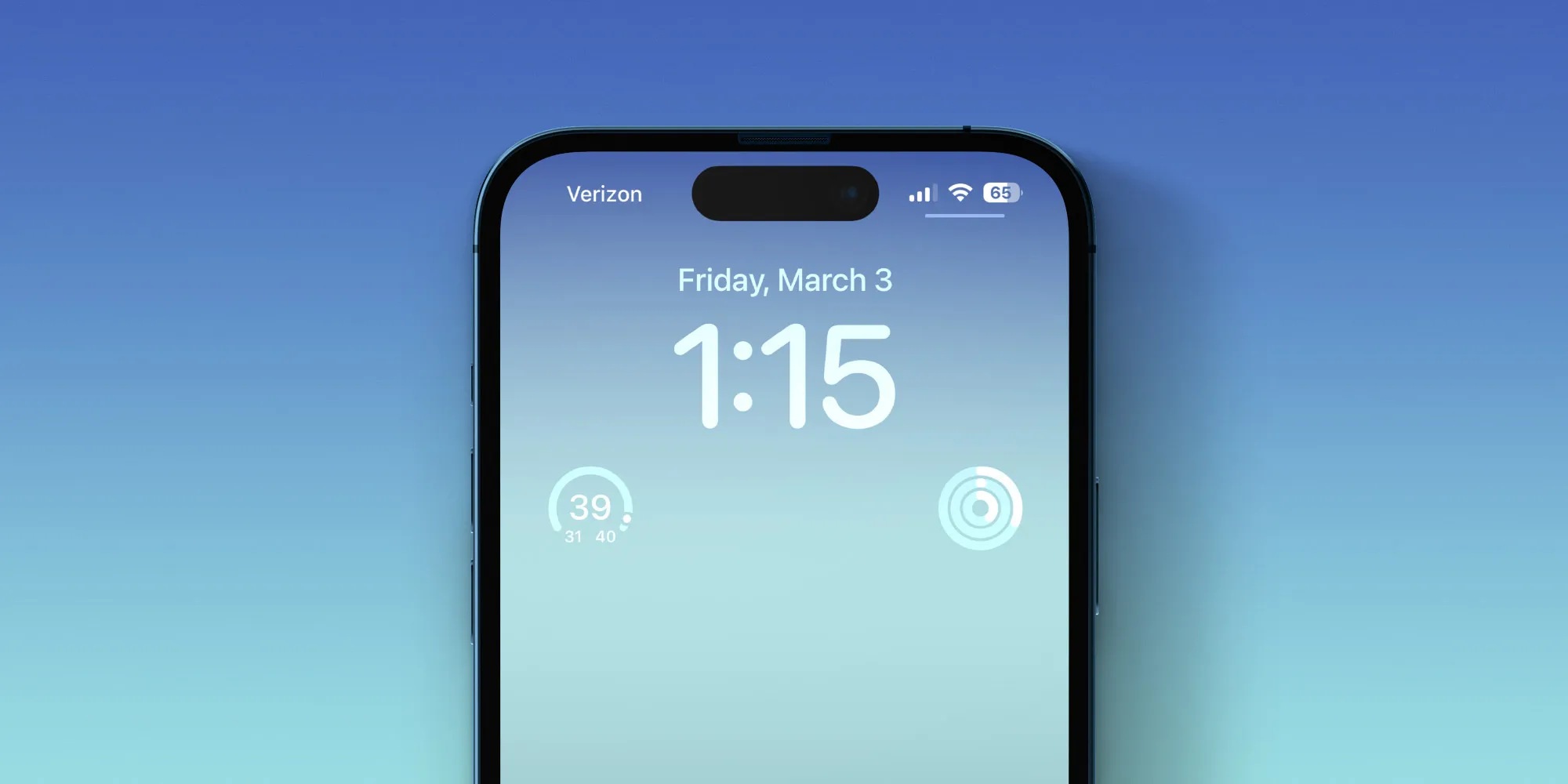
Leveraging Live Activities and Lock Screen Widgets in 2026

iOS 18 and Android 15 introduced expanded Live Activities persistent lock screen cards that update in real time without unlocking your phone. For Canadian fans at work or commuting on the Montreal Metro, this is a game-changer.

Set these up for your priority leagues:

  • NHL playoffs period score, time remaining, power play status
  • CFL regular season down, distance, score by quarter
  • Premier League minute, scorer, added time alerts
  • MLS live score with substitution flags

A properly configured Live Activity updates every 2–4 seconds and uses significantly less battery than keeping an app open in the background.
Battery-Saving Tips for High-Frequency Notification Users

High-frequency alerts drain batteries fast especially during a busy Saturday with three simultaneous matches. Follow these settings to balance speed and battery life:

  • Enable Background App Refresh only for your primary score app
  • Use Wi-Fi over cellular when possible faster and less battery-intensive
  • Turn off visual effects for notification previews
  • Set non-priority leagues to digest mode one update per half
  • Charge to 80% during halftime rather than running from 20%

Canadian winters hit battery performance hard. In Edmonton or Winnipeg during January, cold temperatures can reduce battery life by up to 20% plan your charge cycles around match schedules.

Customizing Alerts for Every Fan Archetype

One alert strategy doesn't fit all fans. Your setup should reflect how you follow sport, not just what you follow.

The Fantasy Manager: Tracking Player-Specific Performance Metrics

Fantasy sports players need granular data, not just final scores. If you're managing a fantasy hockey or football team on a Canadian platform, your alerts should include:

  • Goal and assist notifications per player
  • Yellow/red card alerts for key defenders
  • Substitution timing: did your striker get subbed off at 60 minutes?
  • Shot on target count mid-match
  • Clean sheet status for goalkeeper points

Set these up as high-priority alerts that bypass Do Not Disturb. A missed Auston Matthews goal in a fantasy playoff week can cost you real money.

The Die-Hard Supporter: Managing 'Close Game' and 'Final Whistle' Alerts

Die-hard fans don't need every stat. They need the moments. Configure your score tracker app around emotional triggers:

  • Close game alerts notify when the margin drops to one goal/point in the final 10 minutes
  • Final whistle immediate full-time result
  • Red card game-changing discipline events
  • Injury time additions know exactly how long your team must hold on

Alert Priority Breakdown

Alert Type Die-Hard Supporter Fantasy Manager Casual Fan
Goal / Score Update High Priority High Priority Medium
Red Card High Priority High Priority Medium
VAR Decision Medium Medium Low
Player Substitution Low High Priority Low
Half-Time Score Medium Medium Medium
Final Whistle High Priority High Priority High Priority
Transfer / Injury News Medium High Priority Low
Fixture Reminder (2hr) Medium Medium High Priority

Use this table as your starting template. Adjust based on your primary leagues and competition schedule.

Integrating Live Scores with Your Fan Community

Real-time sports scores are more powerful when they're shared. A goal notification is satisfying alone. It's electric when 200 fans react to it at the same time.

Beyond the Number: How Octagon Bridges Scores and Team Chat

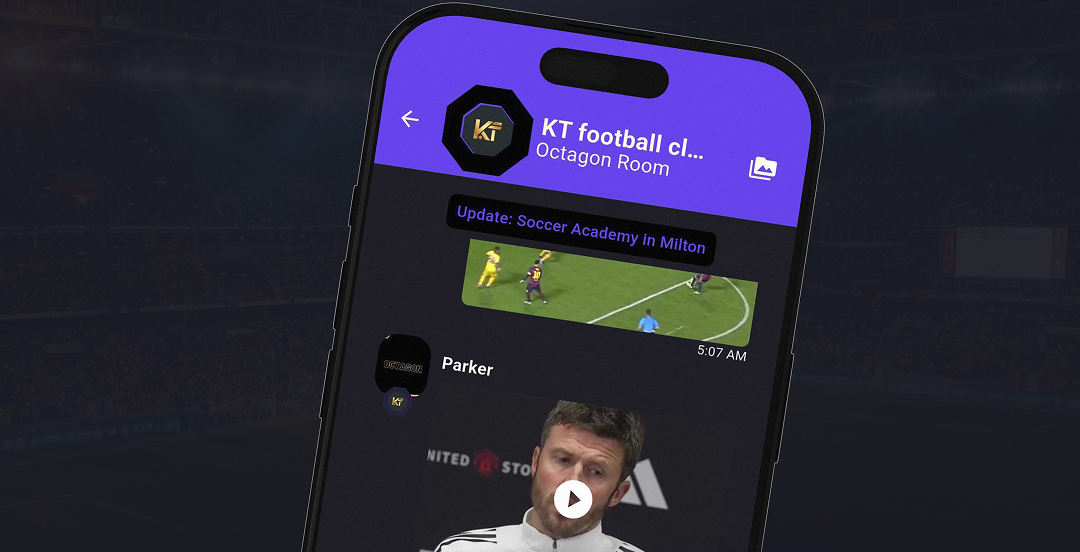
Octagon is built around this exact idea. The moment a score drops, it doesn't just sit on your lock screen it becomes a conversation. Octagon's Live Feed and Team Chat features connect your score alerts directly to your club's community, so every goal triggers a real-time reaction thread with fans who feel it just as hard.

Whether you're a Whitecaps supporter in Vancouver or a TFC fan in Toronto, that shared reaction is the difference between following your team and truly belonging to your fan community.
Managing Spoilers: Syncing Alerts with Your Viewing Schedule

Not every fan watches live. Many Canadians catch games on delay after work or on weekends. Spoiler management is a real challenge and a real feature gap in most score tracker apps.

Here's how to protect your viewing experience:

  • Enable spoiler block mode during your blackout window
  • Schedule alert delivery hold notifications until after your planned watch time
  • Mute league-specific alerts on days you've pre-recorded a match
  • Use keyword filters to hide score-related social posts automatically

A good score tracker app in 2026 respects how you consume sport not just when the match was played.

Never Miss a Defining Moment Again

Real-time sports scores in 2026 are faster, smarter, and more personal than ever. But speed alone isn't enough. The best fan experience combines low-latency data, smart device configuration, personalized alert strategies, and a community to share those moments with.

Whether you're a fantasy manager in Ottawa tracking player metrics, a die-hard supporter in Halifax waiting for the final whistle, or a casual fan in Regina catching up on the weekend fixtures your setup should work for you. Take control of your alerts. Choose the right tools. And make every defining moment count.

What is the fastest way to get real-time sports scores in 2026? +

The fastest method combines a push-notification score tracker app with Live Activities enabled on your lock screen. Apps using WebSocket or push-based API architecture deliver updates in under 2 seconds faster than any TV broadcast.

Why does my TV show a different score than my phone? +

Television broadcasts carry a signal delay of 5 to 45 seconds depending on your provider and delivery method. Score apps pull directly from league data APIs at the stadium level, making them consistently faster than broadcast streams.

Are real-time sports score apps available for Canadian leagues like the CFL and CPL? +

Yes. Several score tracker apps in 2026 support Canadian leagues including the CFL, CPL, NHL, and regional competitions. Octagon specifically supports community-level engagement alongside live score integration for Canadian fans.

How do I stop score notifications from spoiling games I'm watching on delay? +

Use spoiler block mode or scheduled notification delivery in your score app settings. You can mute specific league alerts during a custom time window and resume them after your planned viewing time.

What makes Octagon different from a standard score tracker app? +

Octagon goes beyond the number. It connects live score moments to a real fan community, turning every goal, red card, or final whistle into a shared conversation with your club's supporters in real time.

icon
Capturing Moments From Today…Creating Memories For a Lifetime

Read Our Latest Articles

Join Our Waitlist
Join Our Waitlist