Join Our Waitlist


.svg)

Let's be real for a second. You're a passionate sports fan. You live for the game, the goals, the buzzer-beaters, the heartbreak, and the glory. But somewhere between the algorithm updates, the troll invasions, and the sponsored content flooding your feed, following your team online started feeling like a chore.
Sound familiar? You're not alone and the good news is, things are changing fast.
Picture this: Your team just pulled off a stunning comeback in the dying minutes. You race to your team's Facebook group to celebrate with fellow supporters, and your post... disappears. Buried under a sponsored lifestyle ad and someone's pet video. Meanwhile, fewer than 50 people from a 1,000-member group ever even saw it.
That's not a glitch. That's how these platforms were designed to work and it's why millions of passionate sports fans are quietly walking away.
Facebook's algorithm was built to sell ads, not unite fan communities. Twitter prioritises controversy over genuine sports conversation, and staying civil during a big match is practically a sport in itself. Reddit can be electric, but moderation is hit-or-miss, and anonymity tends to bring out the worst in people exactly when you want the best shared experience during the big moments.
On TikTok and Instagram, sports content competes with everything else imaginable. Your post-match reaction goes up against cooking reels, celebrity drama, and fitness influencers. The algorithm doesn't care about your team's season. It cares about time-on-screen.
The result? Fans who care deeply about their teams are getting a watered-down, frustrating experience on platforms that were never designed with them in mind.
Here's where the sports world is heading, and it's genuinely exciting.
Niche sports communities are purpose-built platforms designed specifically for fans like you. Every single person in the room is there for the same reason your sport, your team, your shared passion. There's no algorithm sorting your feed. No advertisers buying access to your attention. No off-topic noise drowning out the sports talk you actually came for.
The structural difference is massive. When you post in a niche community, members see it not a curated fraction of them, but the actual community. Engagement rates of 80% or higher are common in well-run niche communities, compared to the 2-5% typical on Facebook. That's not a small improvement. That's a completely different experience.
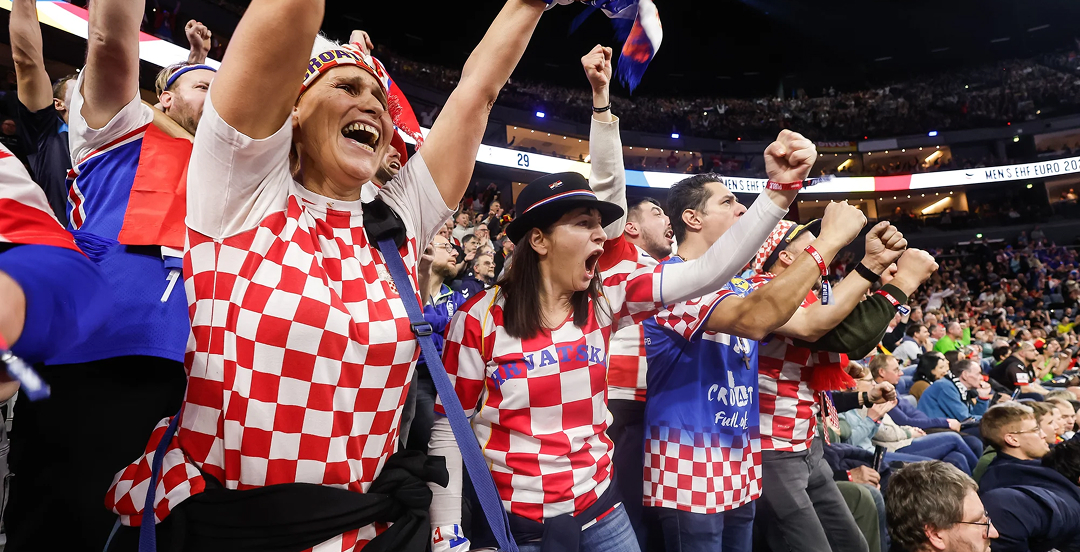
Think about what game day should feel like online. Live reactions visible to everyone in real time. No algorithm deciding which comments surface first. No interruptions from unrelated content. Just fans reacting together with the same electric energy as watching in a packed stadium, from wherever you happen to be.
That's the game day experience inside a niche community.

Over time, something even better happens. You stop being anonymous. You recognise other members by name. You remember their takes, their predictions, their reactions from the playoff run last season. Relationships form. Community culture builds inside jokes, pre-game thread traditions, post-match rituals that only your group does.
That culture is the real magic. It can't be copied. It can't be bought. It grows one game day at a time, built by fans who actually showed up.
And active contributors get recognised for it. Badges, leaderboards, member spotlights and niche communities reward the people who bring the most energy. That creates genuine investment. You start to feel ownership over the space, which is very different from how anyone feels about their Facebook feed.
For sports organisations, the appeal of niche communities isn't just about better fan experience, it's strategic.
Direct access to your fanbase without an algorithm deciding what they see. Every announcement, event, and piece of content reaches supporters without paying for boosted posts. Meaningful data on fan behaviour that belongs to the team, not to a third-party advertiser. And real monetisation opportunities exclusive membership tiers, targeted merchandise campaigns, premium content built on loyal community relationships rather than cost-per-impression models.
For Canadian clubs and organisations operating under PIPEDA, the data ownership angle carries compliance value, too. Owning fan data inside a purpose-built community is meaningfully different from renting access to an audience on a platform that monetises that data itself.
The first-mover advantage in niche community building is real. Teams that establish dedicated fan spaces now own those relationships long-term. Teams that wait will find themselves dependent on platforms where algorithm changes, policy shifts, and declining organic reach can gut their community overnight.
The short answer? Yes for fans who are looking for it.

Younger supporters especially, the demographic that will define sports consumption for the next two decades, are actively seeking focused digital spaces over the noise of general social media. Participation in niche online communities has grown steadily as engagement on major platforms has declined. This isn't a micro-trend. It's a correction.
Sports fans aren't leaving Facebook and Twitter because something shinier was marketed to them. They're leaving because the experience stopped serving them. They want to belong, not just scroll. They want real conversations with people who understand the significance of a last-minute defensive clearance or a franchise-changing trade. They want a space where their passion for the game is the whole point, not a content category competing for algorithmic attention.
That space exists now. And platforms like Octagon are proving what it looks like when you build specifically for the fans who care most.
You already know what big platforms offer. You've lived it: the buried posts, the troll pile-ons, the sponsored content interrupting a celebration that should have been electric.
The question is: what kind of fan experience do you actually want?
Niche sports communities offer real engagement, genuine connection, active moderation, and a community that sees you as more than an impression. The shift is happening right now. Your people are already there.


.webp)






.webp)